How Many Pictures Can a 64gb Sd Card Hold
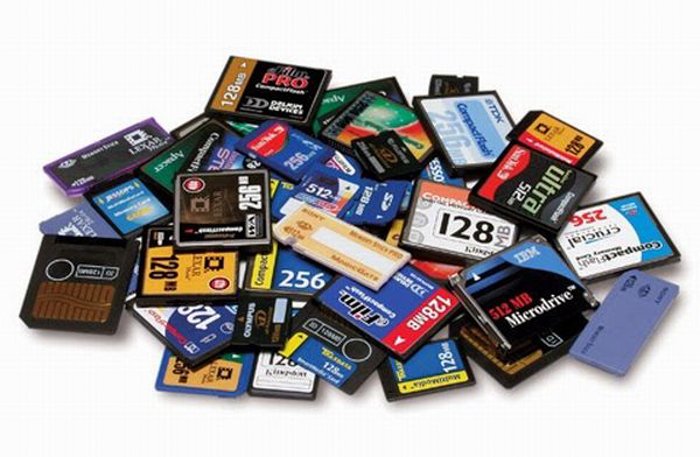
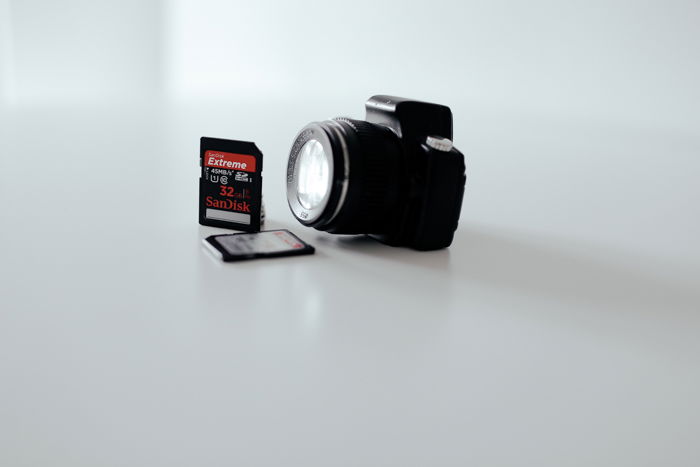
A memory menu is your loyal companion as it stores your photographs. CF, SD, and MicroSD cards are the nigh common among DSLRs, mirrorless, and other cameras.
You've probably always wondered exactly how many photos fit onto your retentivity card. Today I'yard hither to reply that.

[Note: ExpertPhotography is supported by readers. Product links on ExpertPhotography are referral links. If yous employ one of these and buy something, we make a niggling flake of money. Need more info? Come across how information technology all works here. — Ed.]
How Many Photos Go on a Memory Card?
To answer this question properly, we need to look at the two unlike shooting settings and how they impact the file size.
The two are jpeg and raw.
JPG Vs. Brand-Specific Raw Vs. DNG
JPG compression is used in a number of epitome file formats. JPG is the well-nigh common epitome format used by digital cameras and other photographic image capture devices.
These images are 'compressed' and but keep the data that the camera deemed as worth keeping. If you're uploading your images to social media or directly to your archive, good. Only considering of this, they don't offer much play in mail service-processing.
A raw (note the lower case spelling) image contains all the raw data of the scene you're capturing. This means you have the full dynamic and color range for every single pixel your camera can capture.
Raw image files are way bigger than JPG files. They give you more room to alter exposure values, white residuum, and to tweak colors using mail-processing software.
Manufacturers usually have their own raw file formats. Canon uses CR2 and CR3, Nikon uses NEF, and so on.
A DNG is a Digital Negative. In a not-brand-specific raw format. For all intents and purposes, it is the same as a normal raw file. My Canon 7D shoots in JPG and/or CR2 raw, only my Ricoh GRII uses DNG.
Size Deviation
There is a considerable divergence between the two file types.
JPGs are compressed. They fit perfectly in the viii-bit boundary used for web images. They are usually the end issue of raw conversions, too.
Considering of the various amounts of pinch, JPG file sizes vary. On a 20MP digital photographic camera, they are between 5 and ten MB.
Raw files, on the other hand, comprise all the data your camera captured. Raw files are perfect for all-encompassing postal service-processing.
Virtually raw formats are uncompressed. This ways that every raw file (at the aforementioned settings) has roughly the same size, no matter what's in the photo. They are ordinarily around 30MP each on a 20MP camera.
So, if a raw file takes 30 MB of space, information technology can fit in the retentiveness cards as follows:
- 32 gb = ane,092 photographs
- 64 gb = ii,184 photographs
- 128 gb = 4,368 photographs
- 256 gb = viii,732 photographs
JPG files are most likewise much to count at vii MB each:
- 32 gb = four,700 photographs
- 64 gb = 9400 photographs
- 128 gb = 18,800 photographs
- 256 gb = 37,600 photographs
*remember that this digital aspect is 1,024 bytes = 1mb and 1,024 mb is one gb*
Retentivity Cards
Choosing a memory bill of fare volition depend on your camera. You have the choice over thebrand,the size, and thespeed of the memory carte.
The bigger the size, the more photographs y'all tin take. This is a great way to store more images, simply a great style to lose or damage them all besides.
The speed relates to how fast the memory card can deal with the data. A faster memory card is more expensive, but it volition allow you to use continuous or burst modes. Yet, your photographic camera may not even exist able to utilise the cards total writing speed.
If you want to know more about picking the best retentiveness card for you, check out our article on how to choose your memory card.
CF (CompactFlash) cards are i of the two most common retention cards institute in digital cameras. They are the largest in physical size.
They are used in many mid to larger sized digital cameras and digital SLRs.

SD (Secure Digital) cards are being used more and more due to their small size.
Nearly laptops even have a small opening specifically for these memory cards. They are a safe bet for manufacturer support in case something goes wrong.
They even have a tab on the side of the memory card that protects your images when depressed.

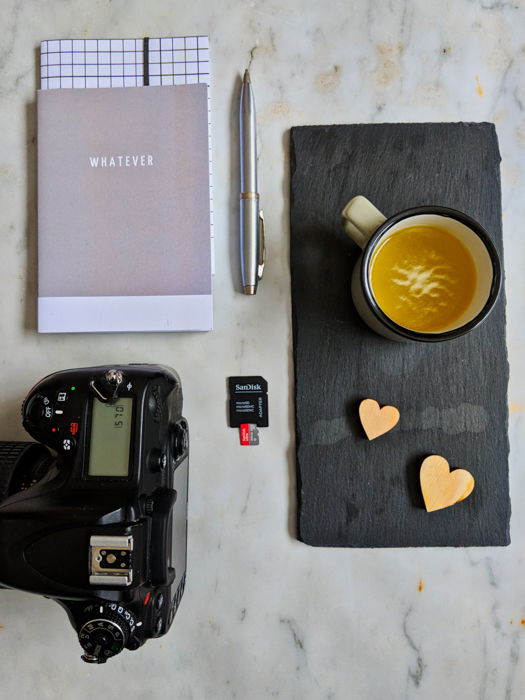
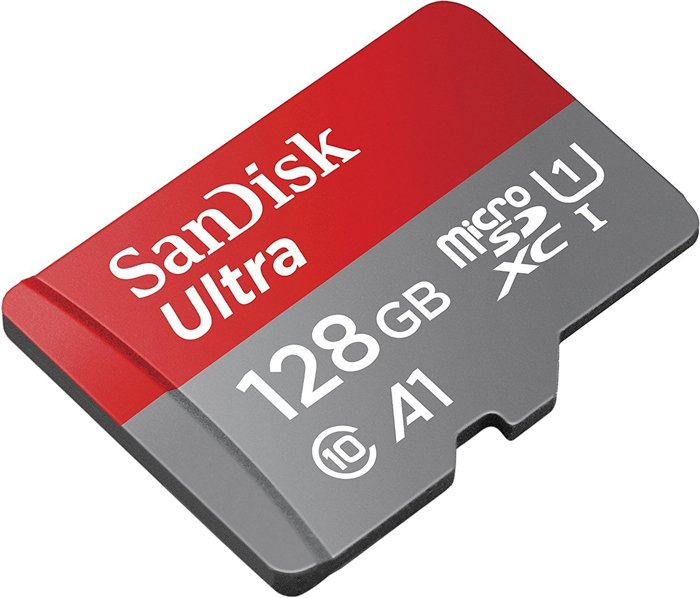
MicroSD cards are smaller than their bigger brother. They were designed for smaller cameras and devices such as Get Pros, drones, and cell phones.
Smaller memory cards take a higher chance to be lost. They volition work as an SD card when accompanied by an adapter.
Size Matters
At the time of this article (March 2018), these are the highest capacities for these retention card systems:
- CF = 512 GB
- SD = 1 TB
- MicroSD = 1TB
Speed Does Also!
At the time of this commodity, these are the fastest retentivity card systems:
- CF = 155 MB/s (read/write)
- SD = 300 MB/south (read/write)
- MicroSD = 100 MB/s (read/write)
Equally you tin encounter, the SD bill of fare is already outstripping the CF. At that place are other, even faster card types besides, but you won't find them in consumer-oriented cameras.
Before you become, bank check out this video.
Source: https://expertphotography.com/how-many-photos-memory-card-holds/
0 Response to "How Many Pictures Can a 64gb Sd Card Hold"
Post a Comment